Research Articles
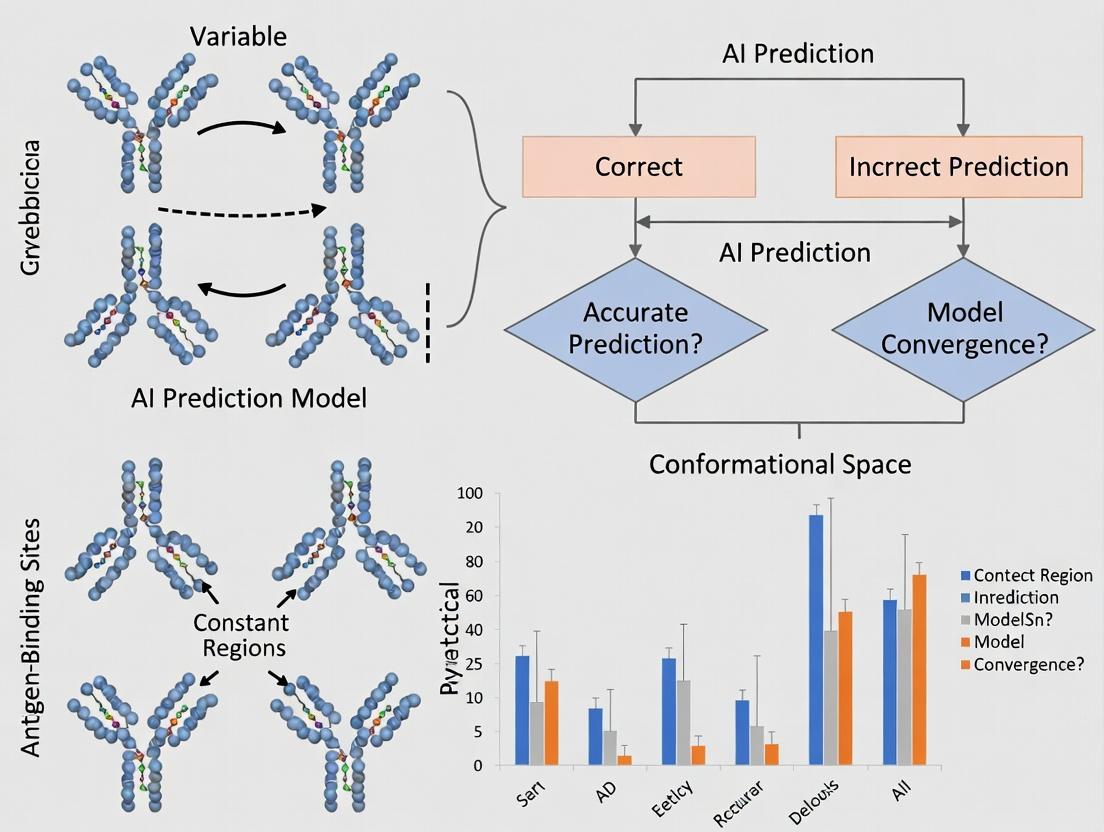
Beyond Static Models: Navigating the Limitations of AI in Predicting Antibody Conformational Dynamics
This article critically examines the current capabilities and significant limitations of artificial intelligence (AI) in predicting conformational changes in antibodies, a crucial challenge in computational biology and rational drug design.
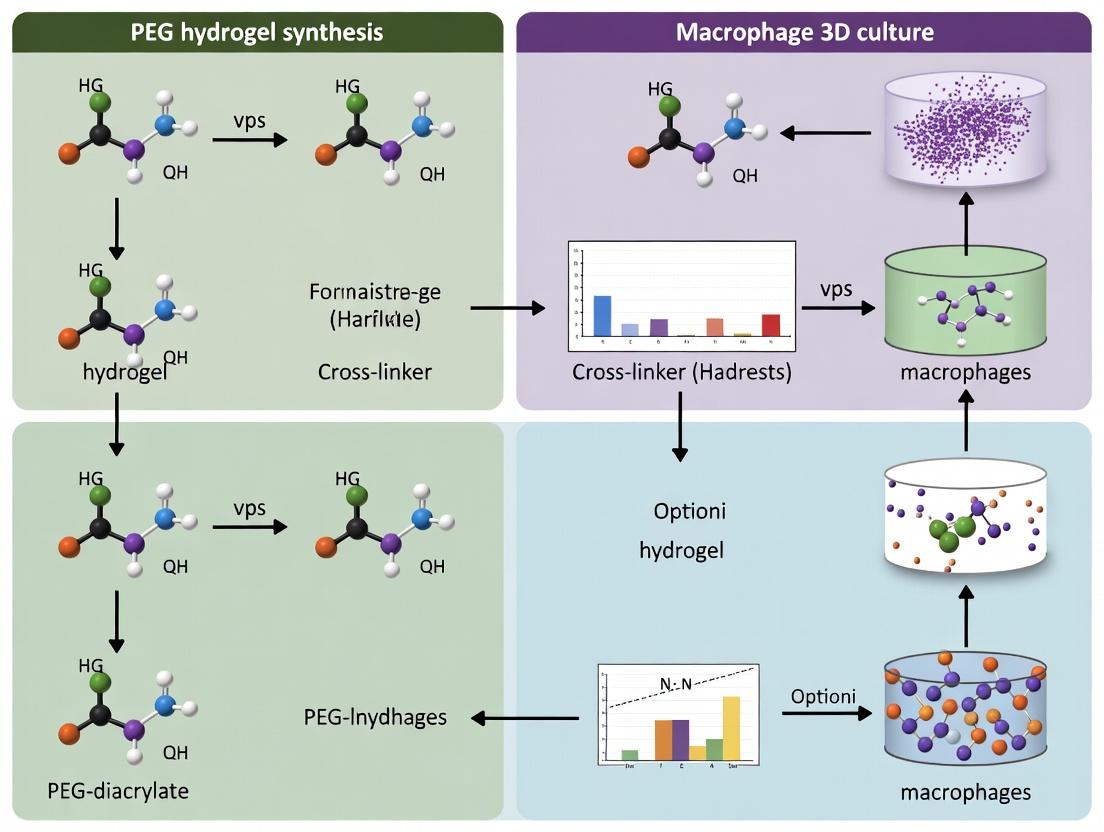
PEG Hydrogel 3D Culture: A Complete Protocol for Advanced Macrophage Immunobiology Research
This comprehensive guide details the synthesis and application of poly(ethylene glycol) (PEG) hydrogels for creating physiologically relevant 3D microenvironments to culture primary and immortalized macrophages.
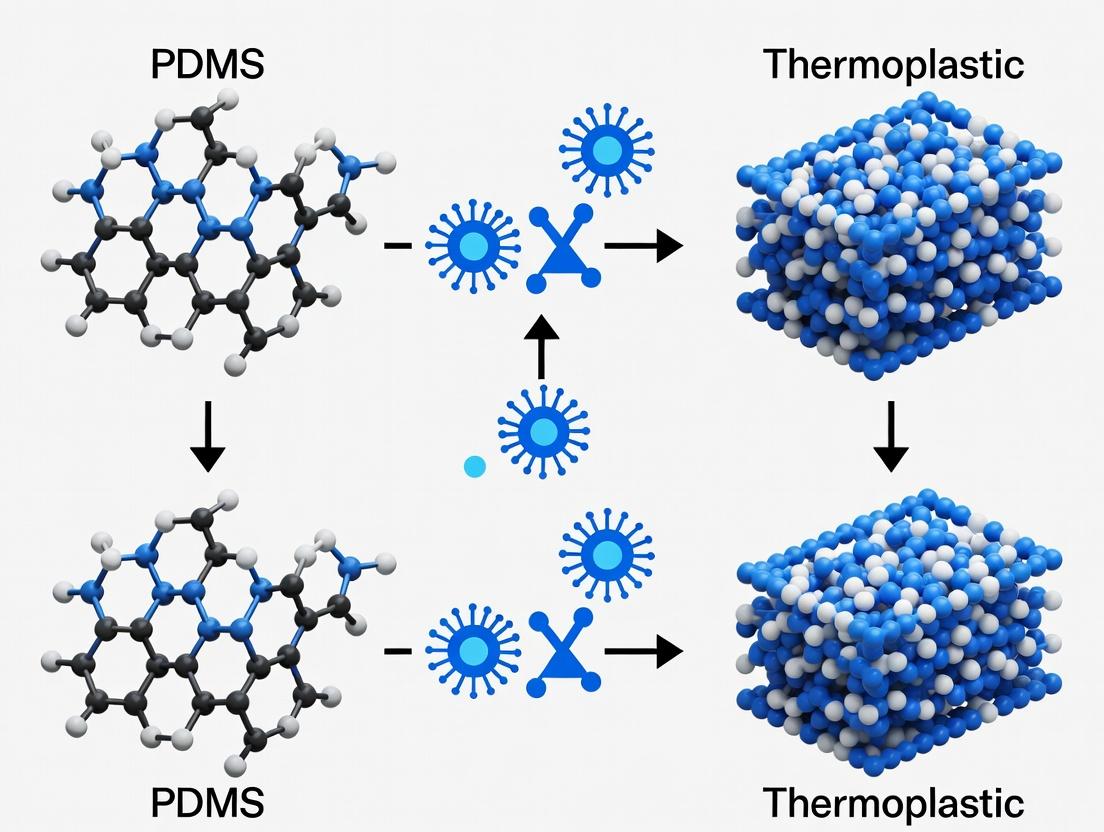
PDMS vs. Thermoplastics for Microfluidics: A 2024 Material Selection Guide for Bio Researchers
This comprehensive guide compares Polydimethylsiloxane (PDMS) and thermoplastics as core materials for microfluidic device fabrication, tailored for researchers, scientists, and drug development professionals.
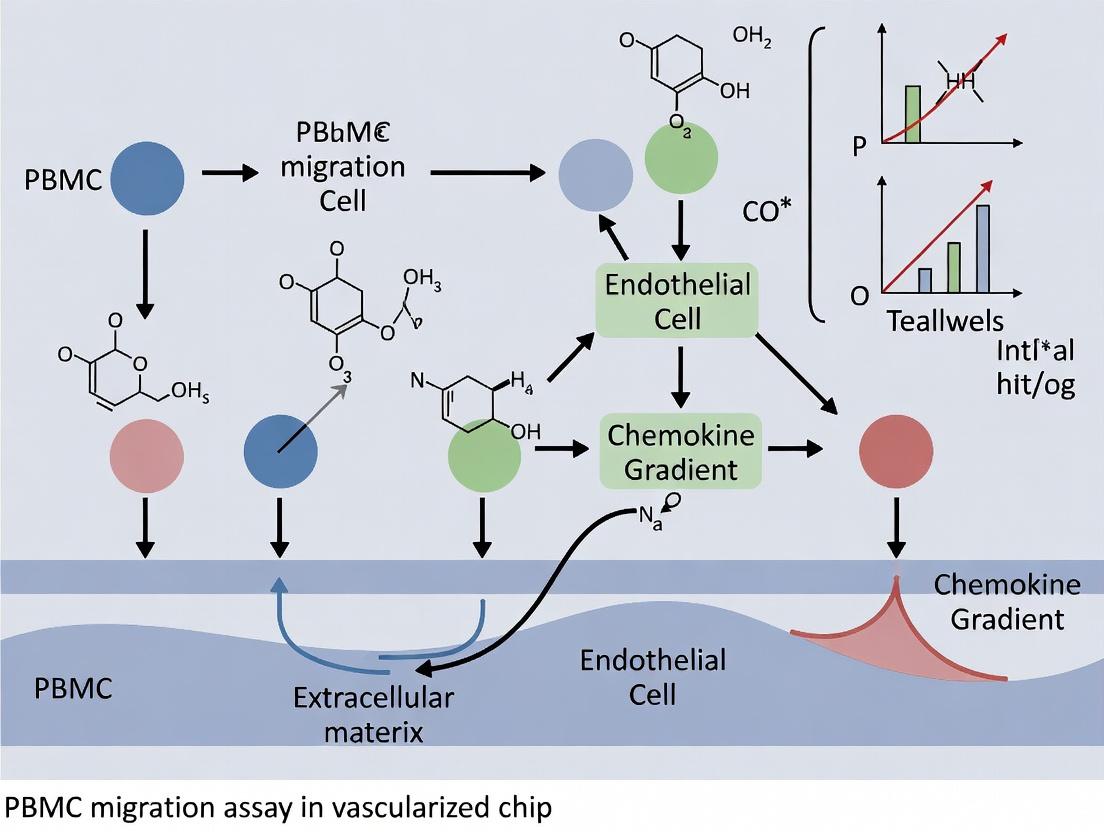
Revolutionizing Immunology Research: A Complete Guide to PBMC Migration Assays in Vascularized Organ-on-a-Chip Platforms
This comprehensive guide explores the implementation and application of peripheral blood mononuclear cell (PBMC) migration assays within advanced vascularized organ-on-a-chip (OOC) systems.
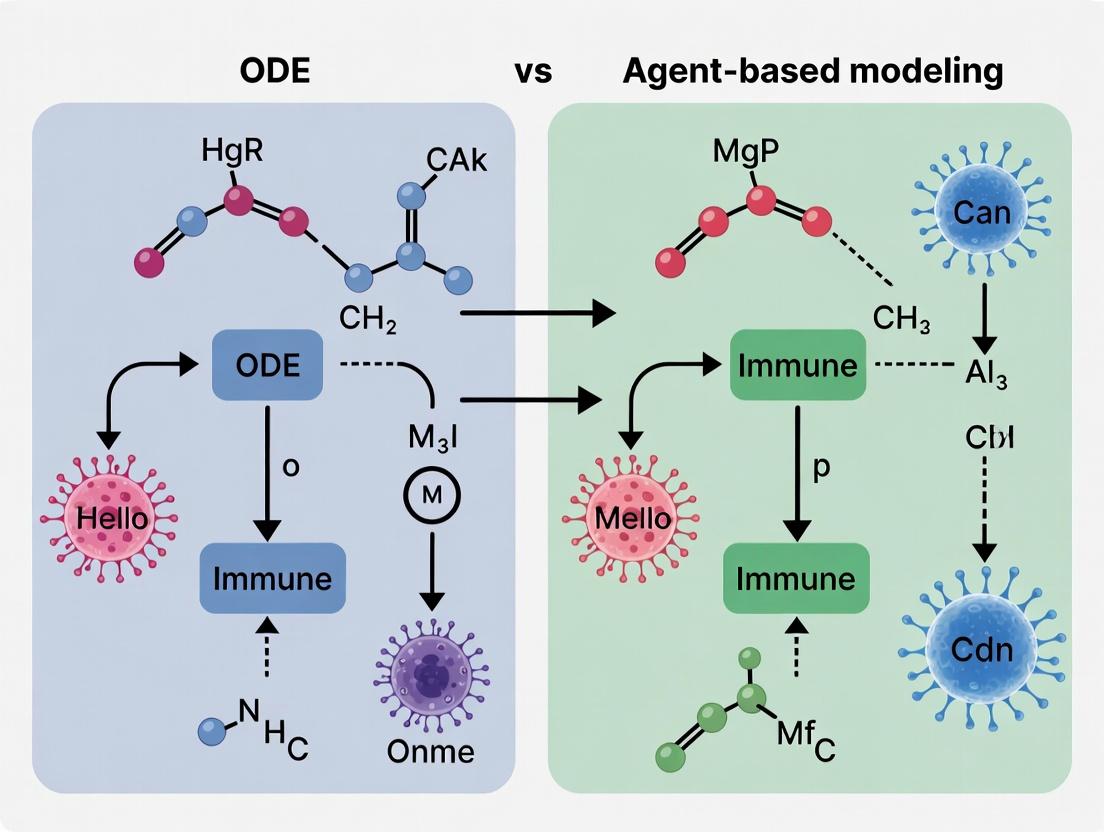
Mathematical Modeling of Immunity: ODEs vs. Agent-Based Models for Predicting Immune Response in Drug Development
This article provides a comprehensive guide for researchers and biomedical professionals on selecting and implementing mathematical models for immune system simulation.
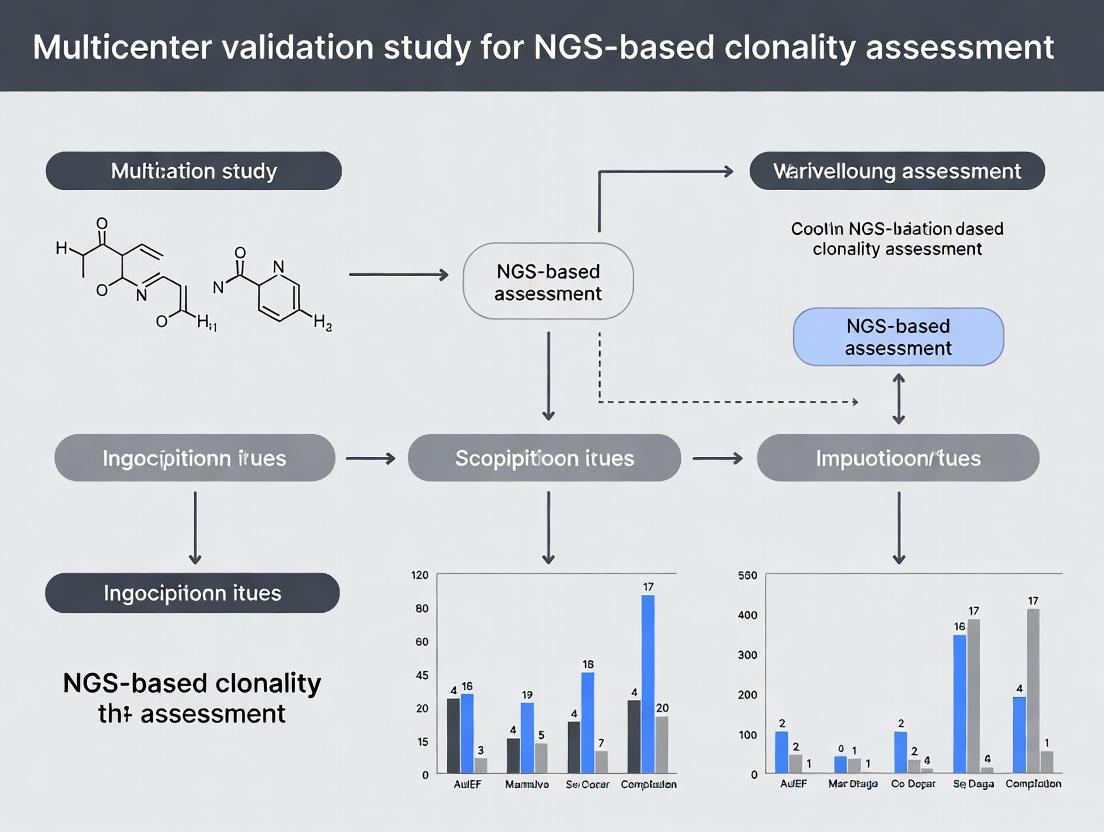
Multi-Laboratory Validation of NGS-Based Clonality Testing: A Comprehensive Guide for Biomarker Development and Diagnostic Implementation
This article provides a comprehensive analysis of the design, execution, and interpretation of multicenter validation studies for next-generation sequencing (NGS)-based clonality assessment.
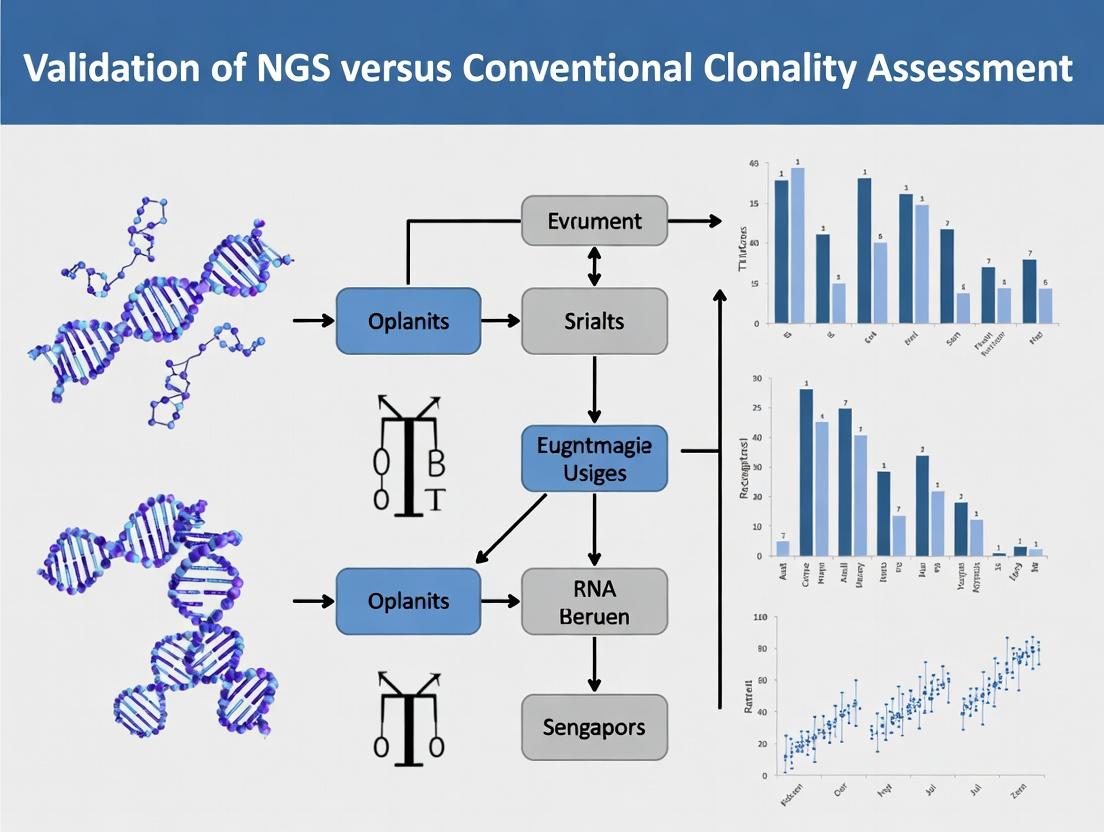
NGS vs. Conventional Clonality Testing: A Complete Validation Guide for Researchers
This comprehensive guide for researchers and drug development professionals explores the critical validation process of next-generation sequencing (NGS) assays for clonality assessment against conventional methods (PCR-GeneScan, capillary electrophoresis).
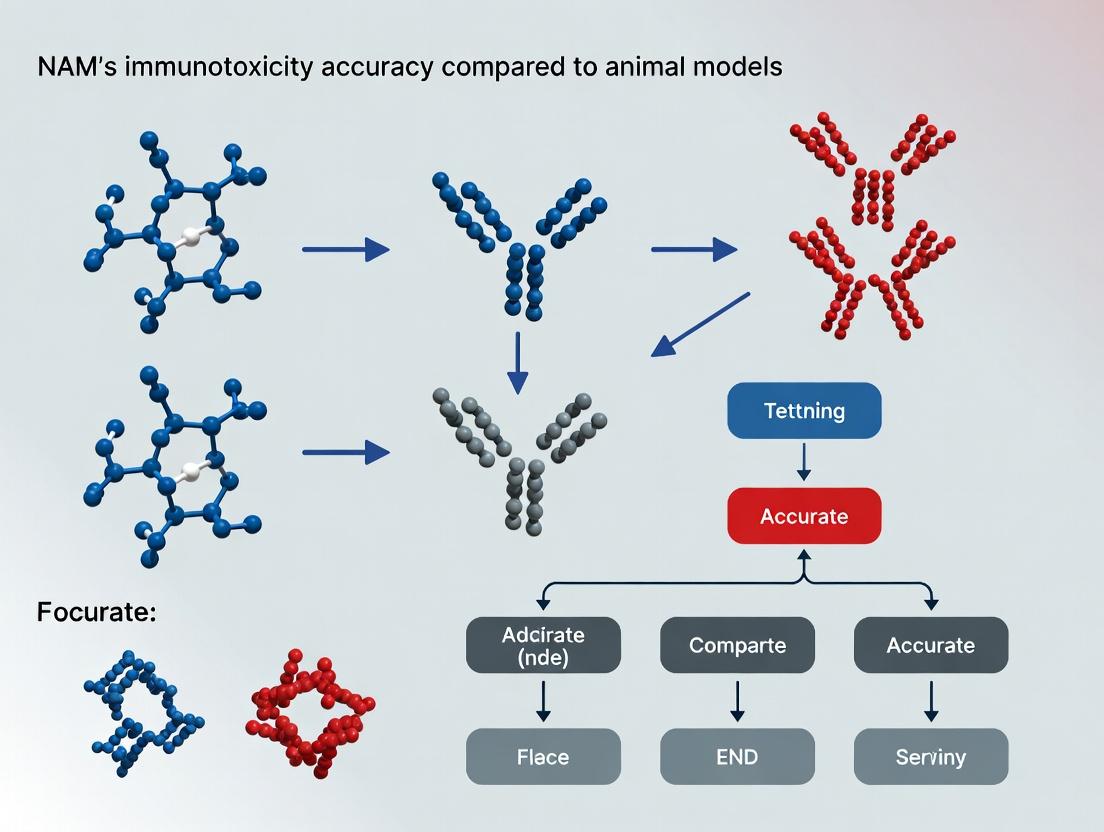
NAMs vs. Animal Models in Immunotoxicity: Accuracy, Advantages, and the Future of Drug Safety
This article provides a comprehensive comparison between New Approach Methodologies (NAMs) and traditional animal models for assessing immunotoxicity in drug development and safety evaluation.
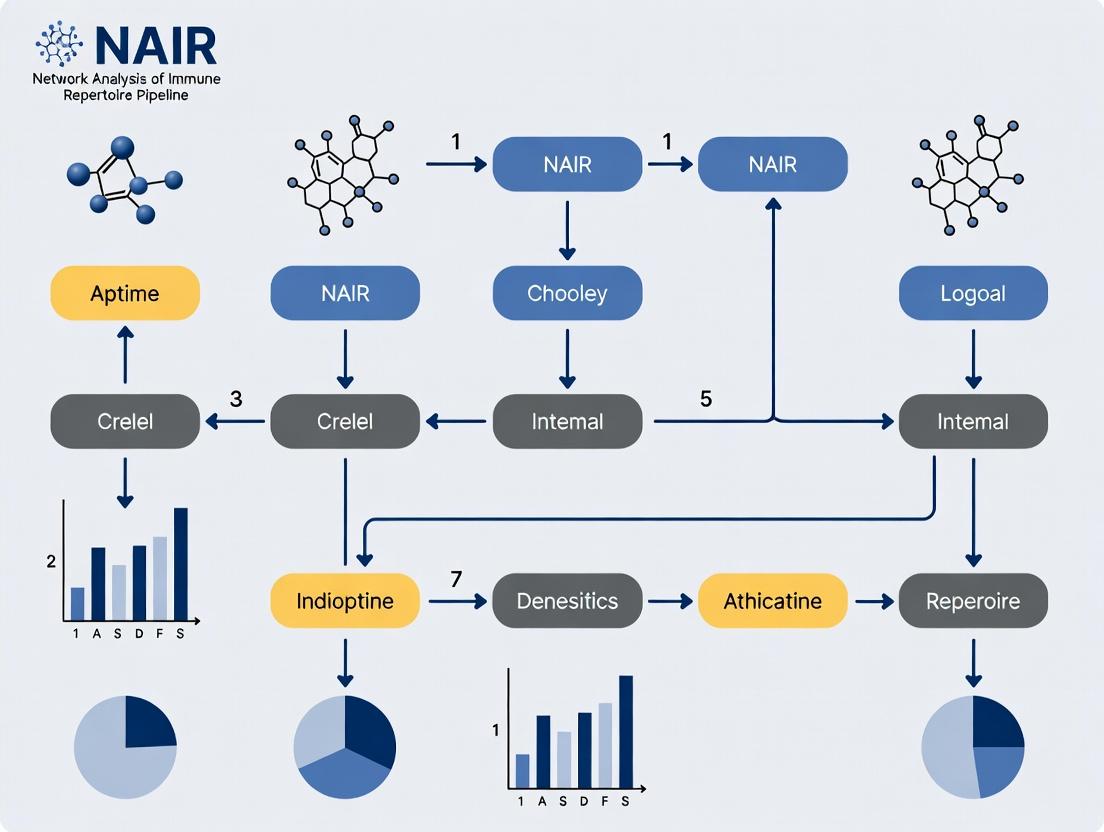
NAIR Pipeline Guide: Master Immune Repertoire Network Analysis for Drug Discovery & Research
This comprehensive guide provides researchers, scientists, and drug development professionals with a complete roadmap for the NAIR (Network Analysis of Immune Repertoire) pipeline.
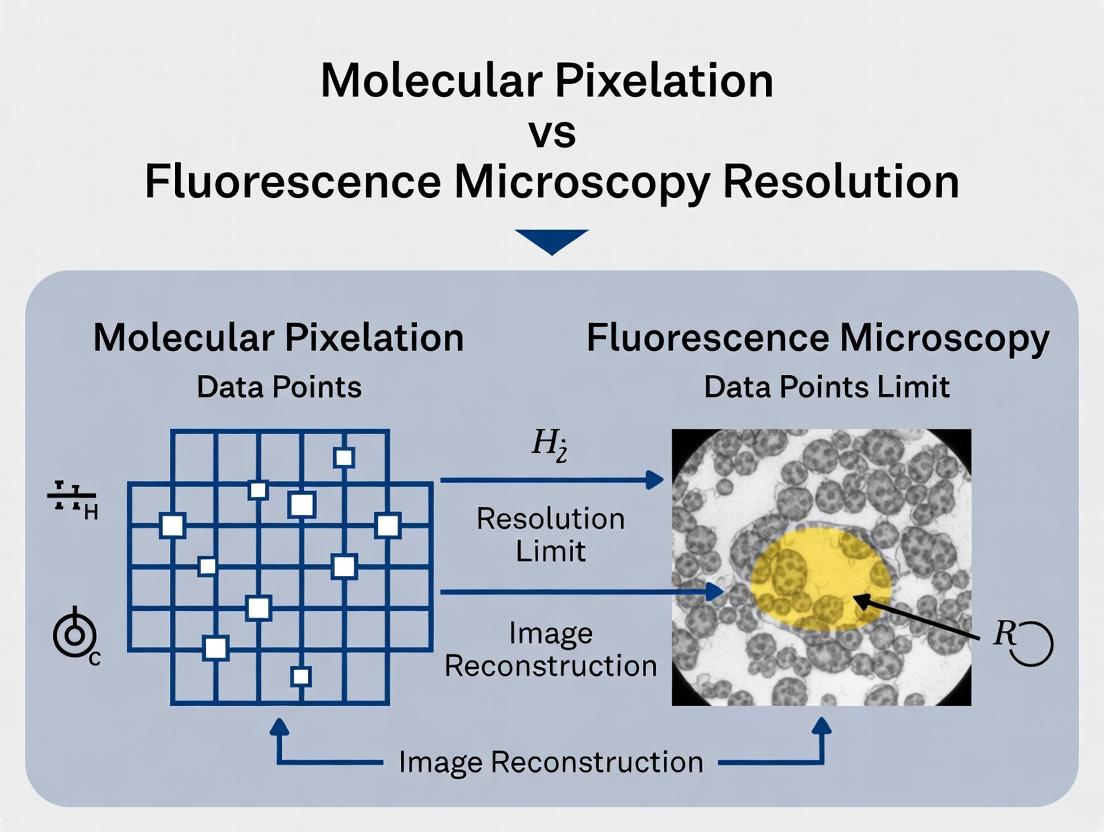
Molecular Pixelation vs. Fluorescence Microscopy: A New Era in Sub-Cellular Resolution for Drug Discovery
This article provides a comprehensive comparison between Molecular Pixelation, a novel DNA-based spatial proteomics method, and traditional fluorescence microscopy.